Fort Tamara: 5 Historical Fortification Structures
Have you ever wondered about the ancient defenses that once protected Morocco’s coastline? Among these remarkable structures stands Fort Tamara, an impressive example of coastal military fortification that has withstood the test of time. This historical treasure offers visitors a glimpse into Morocco’s strategic past and architectural ingenuity.
Exploring Fort Tamara provides both history enthusiasts and casual tourists with a meaningful connection to Morocco’s rich heritage of coastal defense systems. Let’s discover what makes this fortress special and how you can make the most of your visit.
Materials & Supplies
Before visiting Fort Tamara, gather these essential items to enhance your experience:
- Comfortable walking shoes – The fort features uneven surfaces and steps
- Water bottle – Especially important during summer months
- Sun protection – Hat, sunscreen, and sunglasses
- Camera – For capturing the panoramic coastal views
- Small backpack – To carry your essentials hands-free
- Guidebook or downloaded information – For historical context
- Light jacket – The coastal winds can be chilly, even on warm days
- Binoculars – To appreciate distant coastal views and marine activity
- Moroccan dirham – For entrance fees and nearby vendors
Timing / Growing Schedule
- Best visiting season: Spring (March-May) and Fall (September-November)
- Recommended time of day: Early morning (8-10 AM) or late afternoon (3-5 PM)
- Average visit duration: 1.5-2 hours for a comprehensive exploration
- Weekly schedule: Closed on Mondays; busiest on weekends
- Annual events: Historical reenactments during the Cultural Heritage Festival (October)
- Ramadan considerations: Reduced hours and services during this holy month
Plan your visit outside peak summer months when temperatures can reach uncomfortable levels. Unlike European castles which may require full-day visits, Fort Tamara’s more compact structure allows for efficient exploration.
Step-by-Step Instructions
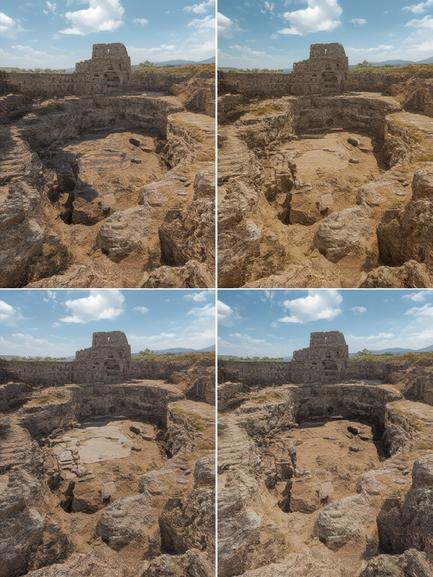
1. Enter through the main gate: Notice the original wooden doors reinforced with metal studs, a classic element of Moroccan military fortification.
* Tip: Look up to see the defensive slots used by guards to monitor approaching visitors.
2. Explore the courtyard: This central area once housed soldiers and support staff.
* Tip: Visit the small water cistern that demonstrates how the fort maintained self-sufficiency during sieges.
3. Climb to the ramparts: Follow the stone staircase for panoramic coastal views.
* Tip: The northeastern corner offers the best photo opportunities of Fort Tamara against the Atlantic backdrop.
4. Visit the commander’s quarters: Examine the architectural details showing European influences.
* Tip: Note the ceiling designs that blend Portuguese and Moroccan artistic elements.
5. Explore the ammunition rooms: These cool, dark chambers once stored gunpowder and weapons.
* Tip: Use your phone’s flashlight to see the ventilation systems designed to keep humidity low.
Historical Significance / Advantages
- Strategic coastal protection against European naval powers
- Unique blend of Moroccan and Portuguese architectural styles
- Key role in controlling maritime trade routes
- Evidence of advanced 17th-century military engineering
- Witness to important historical treaties and diplomatic exchanges
- Contribution to Morocco’s cultural identity and independence struggles
Alternative Visiting Methods and Travel Advice
- Guided tours: Available in multiple languages, providing deeper historical context
- Virtual tours: Several apps offer digital exploration for those unable to visit physically
- Themed visits: Focus on military history, architectural elements, or archaeological aspects
- Combination tickets: Save by purchasing joint admission with nearby attractions
- Sunset visits: Special permits available for photographers during the golden hour
- Academic access: Researchers can apply for extended access to restricted areas
Common Mistakes to Avoid
- Arriving at midday during summer (extreme heat)
- Missing the hidden underground passages (ask guides specifically)
- Skipping the small museum room near the exit
- Wearing inappropriate footwear for uneven surfaces
- Forgetting to verify opening hours, which change seasonally
- Rushing through without appreciating the fort’s strategic positioning
Preservation / Maintenance Information
- Ongoing restoration efforts focus on the western wall
- Visitors should avoid touching fragile stonework
- Photography without flash is permitted throughout
- Conservation teams work Tuesday mornings; these areas may be temporarily restricted
- Donated funds contribute to preservation of original artillery displays
- Volunteer opportunities available through the Heritage Protection Association
Conclusion
Fort Tamara stands as a testament to Morocco’s strategic importance and rich architectural heritage. This coastal military fortification offers visitors not just a journey through time, but a deeper understanding of how defensive structures shaped Morocco’s history. By following our guidelines, you’ll enjoy a more meaningful and informed visit to this historical treasure. We encourage you to share your experience visiting Fort Tamara in the comments below, or explore our related posts about Morocco’s historical sites.
FAQs
How old is Fort Tamara exactly?
Fort Tamara was initially constructed in 1628, with significant expansions during the 1670s and renovations in the early 18th century.
Can I visit Fort Tamara with children?
Yes, the fort is family-friendly, though parents should supervise children carefully around the ramparts and uneven walkways.
Is there public transportation to Fort Tamara?
Regular buses run from Rabat and Casablanca to Temara, with a local shuttle service to the fort entrance during peak tourist season.
Are there food options at or near the fort?
While there are no restaurants inside the fort, several cafés and traditional Moroccan eateries can be found within a 10-minute walk.
Does Fort Tamara accommodate visitors with mobility challenges?
Partial accessibility is available in the main courtyard and museum areas, but the ramparts and upper levels require climbing stairs.