Exploring the Historic Caravan Route of Tamara: A Journey Through Morocco
Introduction
Have you ever wondered about the ancient pathways that connected civilizations and shaped the world as we know it today? The Caravan route of Tamara stands as a testament to Morocco’s rich trading history, where merchants and travelers once traversed the challenging terrain carrying precious goods and cultural knowledge. This fascinating merchant route not only facilitated commerce but also served as a conduit for cultural exchange, technological innovation, and spiritual practices. Exploring this historic pathway offers a unique window into Morocco’s past and helps us understand how these ancient trade networks have shaped the modern world.
Materials & Supplies
If you’re planning to explore the historic Caravan route of Tamara, you’ll need to prepare adequately:
- Sturdy hiking boots with ankle support
- Weather-appropriate clothing (layers are recommended)
- Wide-brimmed hat and sunglasses for sun protection
- High SPF sunscreen
- Minimum 2-3 liters of water per person per day
- Energy-rich snacks and meals
- Basic first aid kit
- Map or GPS device (with backup batteries)
- Camera with extra memory cards
- Local guidebook or historical reference materials
- Small backpack for day trips
- Optional: walking stick or trekking poles
Timing / Growing Schedule
The ideal time to explore the Caravan route of Tamara is during spring (March to May) and autumn (September to November) when temperatures are moderate. Summer months (June to August) can be extremely hot, with temperatures often exceeding 100°F (38°C), making travel challenging and potentially dangerous. Winter travel (December to February) brings cooler temperatures and occasional rainfall, which can make some paths muddy and difficult to navigate.
A comprehensive exploration of the main route typically requires 5-7 days, though shorter segments can be completed in 2-3 days. Many travelers spend additional time in villages along the way to fully appreciate the cultural experiences.
Step-by-Step Instructions
1. Research and Planning: Begin by studying the historical significance of the Caravan route. Familiarize yourself with key stops and historical sites along the way.
2. Arrange Local Transportation: Secure transportation to your starting point, typically Tamara or one of the nearby villages. Consider hiring a local guide who knows the terrain and history.
3. Pack Strategically: Prepare your supplies based on the section of the merchant route you plan to explore and the time of year.
4. Begin at Dawn: Start your daily journeys early in the morning when temperatures are cooler, allowing time to reach your next accommodation before dusk.
5. Pace Yourself: The ancient traders moved slowly and methodically—follow their example. Take regular breaks and stay hydrated.
6. Engage with Local Communities: Visit traditional markets and craft centers along the route to experience living history.
7. Document Your Journey: Photograph landmarks, take notes, and collect stories from local residents to create a personal record of your experience.
Historical Benefits/Advantages
Exploring the Caravan route offers numerous benefits:
- Deep historical understanding of trans-Saharan trade
- Cultural immersion in Berber and Arab traditions
- Photographic opportunities of stunning landscapes and architecture
- Physical exercise through varied terrain
- Authentic interactions with local communities
- Insights into traditional craftsmanship and agricultural practices
- Appreciation for the ingenuity of ancient travelers and traders
Tips, Alternative Methods, or Travel Advice
- Consider joining an organized tour for your first visit to benefit from professional guides and logistical support.
- For those with limited time, focus on specific sections rather than attempting the entire route.
- Leverage technology by downloading offline maps and translation apps before departure.
- Practice basic Arabic or Berber phrases to enhance interactions with locals.
- Consider traveling during local festivals to witness cultural celebrations.
- Respect local customs regarding dress, photography, and religious sites.
Common Mistakes to Avoid
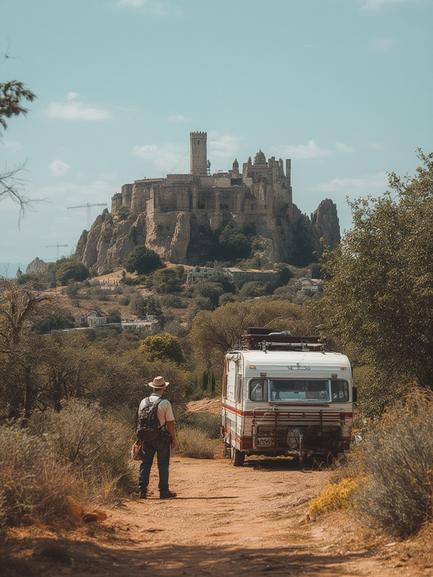
- Underestimating the Climate: Many travelers fail to account for extreme temperature variations. Always check weather forecasts and plan accordingly.
- Insufficient Water: Never compromise on water supplies. Dehydration is the most common health issue faced by travelers.
- Cultural Insensitivity: Avoid inappropriate clothing or behavior that may offend local sensibilities.
- Over-planning: While preparation is essential, leave room for unexpected discoveries and interactions.
- Poor Timing: Avoid traveling during religious holidays when many sites may be closed.
Preparation/Maintenance Tips
- Maintain regular communication with someone who knows your itinerary.
- Carry essential medications and know the location of medical facilities along the route.
- Protect electronic equipment from dust and heat.
- Maintain a flexible schedule to accommodate unexpected weather or local events.
- Keep important documents in waterproof containers and make digital copies.
Conclusion
The historic Caravan route of Tamara offers an unparalleled journey through Morocco’s rich cultural heritage. By following in the footsteps of ancient traders, you’ll gain profound insights into how these vital merchant route networks shaped civilizations across North Africa. Whether you’re a history enthusiast, cultural explorer, or adventure seeker, this journey promises to be as transformative today as it was for travelers centuries ago. Plan your journey thoughtfully, travel respectfully, and prepare to be amazed by the living history that continues to thrive along these ancient pathways.
FAQs
How physically demanding is traveling the Caravan route?
The route includes varying terrain from flat desert sections to mountainous paths. Moderate fitness is recommended, though sections can be selected based on physical ability.
Is it safe to travel the route alone?
While Morocco is generally safe for tourists, traveling with a companion or guide is recommended, especially for first-time visitors unfamiliar with the language and terrain.
What type of accommodation is available along the route?
Options range from traditional guesthouses (riads) and kasbahs to simple homestays in villages. Larger towns offer modern hotels.
How much does it cost to explore the Caravan route?
Costs vary widely depending on your travel style. Budget travelers can manage on $40-60 per day, while those seeking more comfort should budget $100-150 daily.
Are there options for shorter day trips along the route?
Yes, many tour operators offer day excursions to key sites along the route from major cities like Marrakech or Fez, perfect for travelers with limited time.