Mosque Tamara: 7 Religious Heritage Sites
Have you ever wondered what makes Morocco’s historic places of worship so captivating to visitors from around the world? Mosque Tamara stands as one of the most impressive architectural marvels in the region, combining spiritual significance with stunning design elements.
This religious monument has become a must-visit destination for travelers seeking to understand Morocco’s rich cultural heritage and religious traditions. In this comprehensive guide, we’ll explore everything you need to know before visiting this sacred site.
Materials & Supplies
Before visiting Mosque Tamara, make sure you’re properly prepared with these essentials:
- Modest clothing (covering shoulders, knees, and head for women)
- Comfortable walking shoes for exploring the grounds
- Small donation (optional but appreciated)
- Camera (check if photography is permitted inside)
- Guidebook or translation app for historical context
- Water bottle (especially during summer months)
- Respectful attitude and understanding of religious customs
Note that non-Muslims may not be permitted to enter certain areas of the mosque, so research current access policies before your visit.
Timing / Visiting Schedule
The ideal visiting times for Mosque Tamara are
- Morning hours (8:00 AM – 11:00 AM): Less crowded, better lighting for photography
- Afternoon (3:00 PM – 5:00 PM): Beautiful golden hour lighting
- Avoid prayer times: Friday afternoons are particularly busy
- Allow 1-2 hours for a complete visit, including the surrounding grounds
The mosque typically welcomes visitors year-round, though hours may change during Ramadan or other religious observances. Summer months bring more tourists, while winter offers a more peaceful experience.
Step-by-Step Instructions
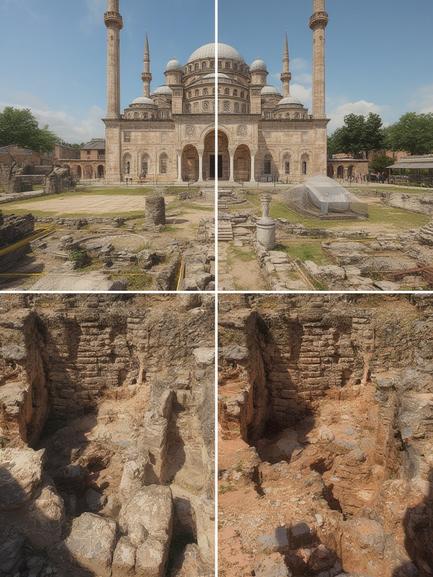
Follow these steps to make the most of your visit to Mosque Tamara:
1. Research and respect: Before arriving, learn about the basic etiquette for visiting a religious monument. Remove shoes when instructed and speak quietly.
2. Dress appropriately: Women should cover hair, shoulders, and knees. Men should wear long pants and sleeved shirts.
3. Approach with reverence: Enter through the main gate and observe the traditional washing area, where worshippers perform ablutions.
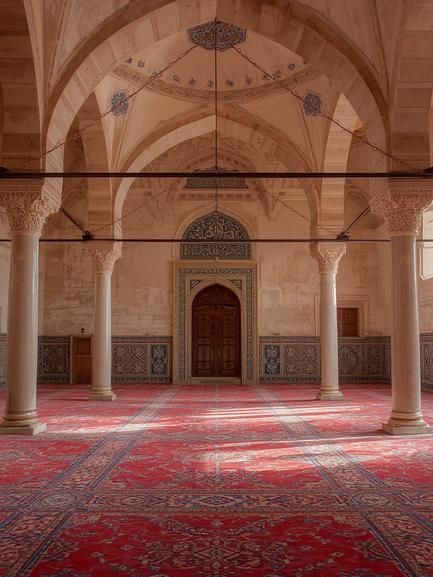
4. Explore the courtyard: Notice the intricate tilework, fountains, and geometric patterns that make Mosque Tamara a masterpiece of Islamic architecture.
5. Observe prayer areas: If permitted, quietly observe prayer halls from designated visitor areas.
6. Appreciate the minaret: Take time to admire the distinctive tower from different angles.
Historical and Cultural Benefits
Visiting Mosque Tamara offers numerous cultural advantages:
- Deeper understanding of Islamic architectural principles
- Insight into Moroccan religious practices and daily life
- Appreciation of traditional craftsmanship and artistry
- Connection to centuries of spiritual tradition
- Opportunity to witness living history in action
The mosque serves as both a place of worship and a community center, showcasing how religion remains interwoven with daily Moroccan life.
Tips and Alternative Viewing Options
- Hire a local guide for deeper historical context
- Visit during different times of day to see how light transforms the space
- Explore nearby markets and cafes to understand the mosque’s place in community life
- Consider viewing from nearby rooftop cafes if internal access is restricted
- Attend during non-prayer times for a more contemplative experience
Common Mistakes to Avoid
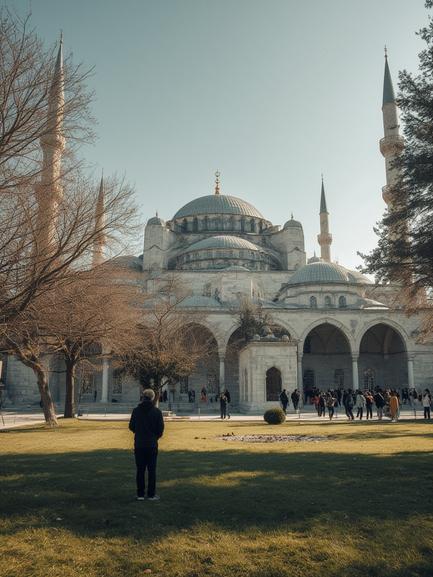
- Inappropriate photography: Never photograph people praying without permission
- Loud behavior: Maintain a respectful volume at all times
- Ignoring dress codes: Being improperly dressed can result in denied entry
- Walking in front of worshippers: Always walk behind or around those praying
- Touching religious artifacts: Admire sacred items visually only
Visitor Etiquette & Maintenance Tips
- Walk clockwise around sacred spaces when possible
- Avoid eating or drinking inside the mosque
- Turn phones to silent mode during your visit
- Follow all posted signage regarding restricted areas
- If joining a tour, stay with your group and listen attentively
- Carry any personal items with you or store them securely
Conclusion
Visiting Mosque Tamara offers a profound glimpse into Morocco’s spiritual heritage and architectural prowess. By approaching this religious monument with respect and preparation, you’ll gain a deeper appreciation for Islamic traditions and Moroccan culture. Take your time to absorb the tranquil atmosphere, intricate details, and spiritual significance that have made this site endure for generations. We encourage you to share your experiences with fellow travelers and explore other historic sites throughout Morocco to complete your cultural journey.
FAQs
Can non-Muslims enter Mosque Tamara?
Policies vary, but many areas may be accessible to non-Muslim visitors outside prayer times. Check current regulations before visiting.
What is the best time of year to visit?
Spring (April-May) and fall (September-October) offer pleasant weather and fewer crowds compared to summer months.
Is photography permitted inside the mosque?
Photography may be restricted in certain areas. Always ask for permission, and never photograph worshippers without consent.
How long should I plan to spend at the mosque?
Allow 1-2 hours to fully appreciate the architecture, courtyards, and surrounding areas.
Are guided tours available?
Yes, both official and unofficial guides offer tours. Official guides provide the most accurate historical information and cultural context.