Essential Guide to Travel to Morocco
Have you ever dreamed of wandering through vibrant, labyrinthine markets filled with the aroma of exotic spices, or watching the sunset paint ancient fortress walls in gold? Travel to Morocco offers precisely this magical blend of sensory experiences, cultural immersion, and architectural marvels that captivate the imagination. As one of North Africa’s most diverse destinations, Morocco presents travelers with an intoxicating mix of Arab, Berber, and European influences that have shaped its unique identity.
The country’s Sahara desert tours provide unforgettable adventures across golden dunes, creating memories that last a lifetime. Whether you’re a history enthusiast, food lover, or adventure seeker, Morocco’s rich tapestry of experiences promises something truly extraordinary.
History & Cultural Background
![Moroccan Historical Site]()
Morocco’s fascinating history spans over 3,000 years, beginning with indigenous Berber tribes who established the earliest known settlements. The region later experienced waves of influential occupations, including Phoenician traders (7th century BCE), Roman expansion (1st century BCE), and the crucial Arab invasion (7th century CE) that introduced Islam. The country flourished during the Islamic golden age under dynasties like the Almoravids (11th century), who founded Marrakech, and the Almohads (12th century), responsible for iconic structures like the Koutoubia Mosque.
The 16th century brought partial Ottoman control, followed by European colonial interests culminating in the French and Spanish Protectorate (1912-1956). King Mohammed V finally secured independence in 1956, establishing the modern Kingdom of Morocco. This complex historical tapestry explains the country’s architectural diversity, from Roman ruins at Volubilis to imperial cities like Fez, Meknes, Marrakech, and Rabat—each representing different dynastic contributions to Morocco’s cultural heritage.
Architectural Highlights & Key Features
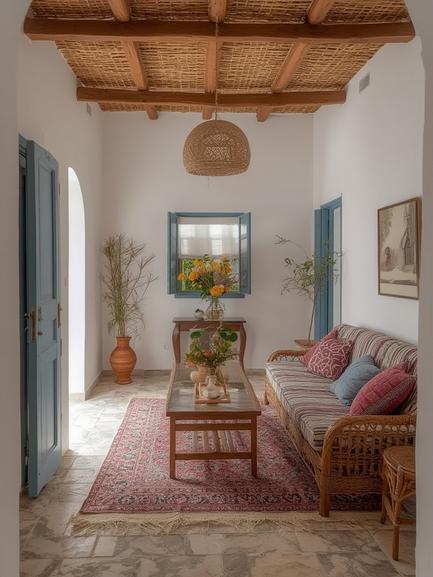
Morocco’s architecture stands as a living museum showcasing centuries of artistic evolution. The country’s most distinctive feature is its riads—traditional houses built around central courtyards that offer privacy and natural cooling. Their intricate zellige tilework, carved cedar ceilings, and stucco detailing represent masterful Moroccan craftsmanship.
The country’s religious buildings, particularly its madrasas (Islamic schools) like Medersa Bou Inania in Fez, display some of the world’s most sophisticated geometric patterns and calligraphy. Morocco’s kasbahs (fortified dwellings) such as Ait Ben Haddou recall medieval defensive architecture, while its imperial palaces blend Andalusian elegance with indigenous Berber motifs. Unlike the purely Gothic or Renaissance styles of Europe, Moroccan architecture embraces asymmetry and organic forms, creating spaces that feel both monumental and intimately human.
Best Time to Visit & Practical Information
The ideal time to explore Morocco is during spring (March-May) or fall (September-November), when temperatures are pleasant throughout the country. Summer (June-August) brings intense heat to inland cities and the desert, while winter (December-February) offers comfortable temperatures in coastal areas but can be surprisingly cold in the mountains and desert nights.
Most major attractions open from 9 AM to 6 PM, with many closing briefly for Friday prayers. Entrance fees typically range from 10-70 MAD ($1-7 USD), with major sites like Bahia Palace charging around 70 MAD. Conservative dress is recommended, particularly for religious sites, where women should cover shoulders and knees, and both men and women should remove shoes before entering mosques (though most remain closed to non-Muslims).
Morocco’s reliable train network connects major cities, while Grand Taxis provide affordable intercity transportation. Within cities, Petit Taxis or ride-sharing services offer convenient transport options.
Step-by-Step Exploration Guide
![Moroccan City Scene]()
For an optimal first-time travel to Morocco experience, begin with 2-3 days in Fez:
1. Day 1: Fez Medina – Enter through Bab Boujloud (Blue Gate) in the morning before crowds arrive. Visit the Al-Qarawiyyin Mosque/University (viewable from outside) and the nearby Medersa Bou Inania for exceptional Islamic architecture. Wander the tanneries mid-morning when colors are vibrant but odors are less intense.
2. Day 2: Marrakech – Spend your morning exploring Jemaa el-Fnaa square when it’s less crowded. Continue to Bahia Palace when it opens, then visit the Saadian Tombs nearby. After lunch, explore the Ben Youssef Madrasa before wandering the souks. Return to Jemaa el-Fnaa for sunset when food stalls and entertainers create a carnival atmosphere.
3. Day 3: Sahara desert tours – Depart early for a two-day excursion through the Atlas Mountains. Stop at Ait Ben Haddou kasbah, continue to Todra Gorge, and reach Merzouga for a sunset camel trek into the dunes. Overnight in a Berber camp under the stars.
4. Day 4: Chefchaouen – Travel north to explore the famous “Blue City,” ideally arriving mid-afternoon when the light accentuates its photogenic blue-washed buildings. The main square offers perfect people-watching opportunities.
Nearby Attractions, Food & Accommodation
Beyond the main cities, don’t miss Essaouira’s windswept coastal ramparts, Moulay Idriss’ sacred hilltown atmosphere, or Volubilis’ remarkably preserved Roman ruins. For authentic dining experiences, try tangia (slow-cooked meat) at Chez Lamine in Marrakech, pastilla (savory-sweet pastry) at Café Clock in Fez, or fresh seafood at any coastal town.
Accommodation options range from luxury riads like Riad Fès (€200+/night) and mid-range guesthouses like Dar Roumana (€100/night) to budget-friendly options like Equity Point hostels (€20/night). For an authentic experience, spend at least one night in a traditional riad, where you’ll enjoy courtyard breakfasts and rooftop views.
Travel Tips & Common Mistakes to Avoid
1. Bargaining Etiquette: Never show too much interest initially. Start at 40% of the asking price and walk away if necessary—vendors often call you back with better offers.
2. Photography Respect: Always ask permission before photographing locals. Some may request a small tip (5-10 MAD).
3. Guided Tours: Hire only official guides with badges to avoid scams. Arrange through hotels or tourism offices.
4. Hydration: Drink bottled water and carry it everywhere, especially during summer months.
5. Time Management: Build flexibility into your schedule—Moroccan time runs at a different pace.
Conclusion
![Morocco Landscape]()
Travel to Morocco presents an unparalleled opportunity to experience a country where ancient traditions blend seamlessly with contemporary life. From the windswept Atlantic coast to the towering Atlas Mountains and the mesmerizing Sahara desert tours, Morocco rewards travelers with unforgettable sensory experiences and cultural encounters. The country’s remarkable architectural heritage, delicious cuisine, and warm hospitality create a travel experience that resonates long after you’ve returned home. Consider planning your Moroccan adventure during shoulder seasons to enjoy the perfect balance of good weather and manageable crowds—and prepare to fall under the spell of this captivating North African kingdom.
FAQs
Is Morocco safe for tourists?
Yes, Morocco is generally safe for tourists. Exercise normal precautions, avoid isolated areas at night, and be vigilant about belongings in crowded places like markets and train stations.
How long should I spend in Morocco?
A minimum of 7-10 days allows you to experience Morocco’s diversity. Two weeks is ideal to include coastal towns, imperial cities, mountain villages, and a desert excursion.
Do I need a visa to visit Morocco?
Visitors from many countries including the US, UK, EU, Australia, and Canada can enter visa-free for up to 90 days. Always check current requirements before travel.
What should women wear when traveling in Morocco?
Women should dress modestly, covering shoulders and knees. Loose, lightweight clothing is ideal. A scarf is useful for visiting religious sites or conservative areas.
Is it necessary to hire a guide in Morocco?
While not necessary, a guide can enhance your experience in complex medinas and provide cultural context. Arrange official guides through hotels or tourism offices to avoid scams.